What Technical Data Must a Stone or Packaging RFQ Include?

To receive comparable factory quotes within 48 hours, an architectural stone or industrial packaging RFQ must specify binder chemistry or polymer grade, exact millimeter dimensions with cut tolerances, surface finish or GSM class, applicable test standards (EN 14617, EN 15285, or ISO 12048), batch shade or ESD limits, and container Incoterms. Omitting slab yield drawings or stacking load cycles forces suppliers to pad contingency margins.
Which Material & Dimensional Fields Anchor an Architectural Stone BOQ?
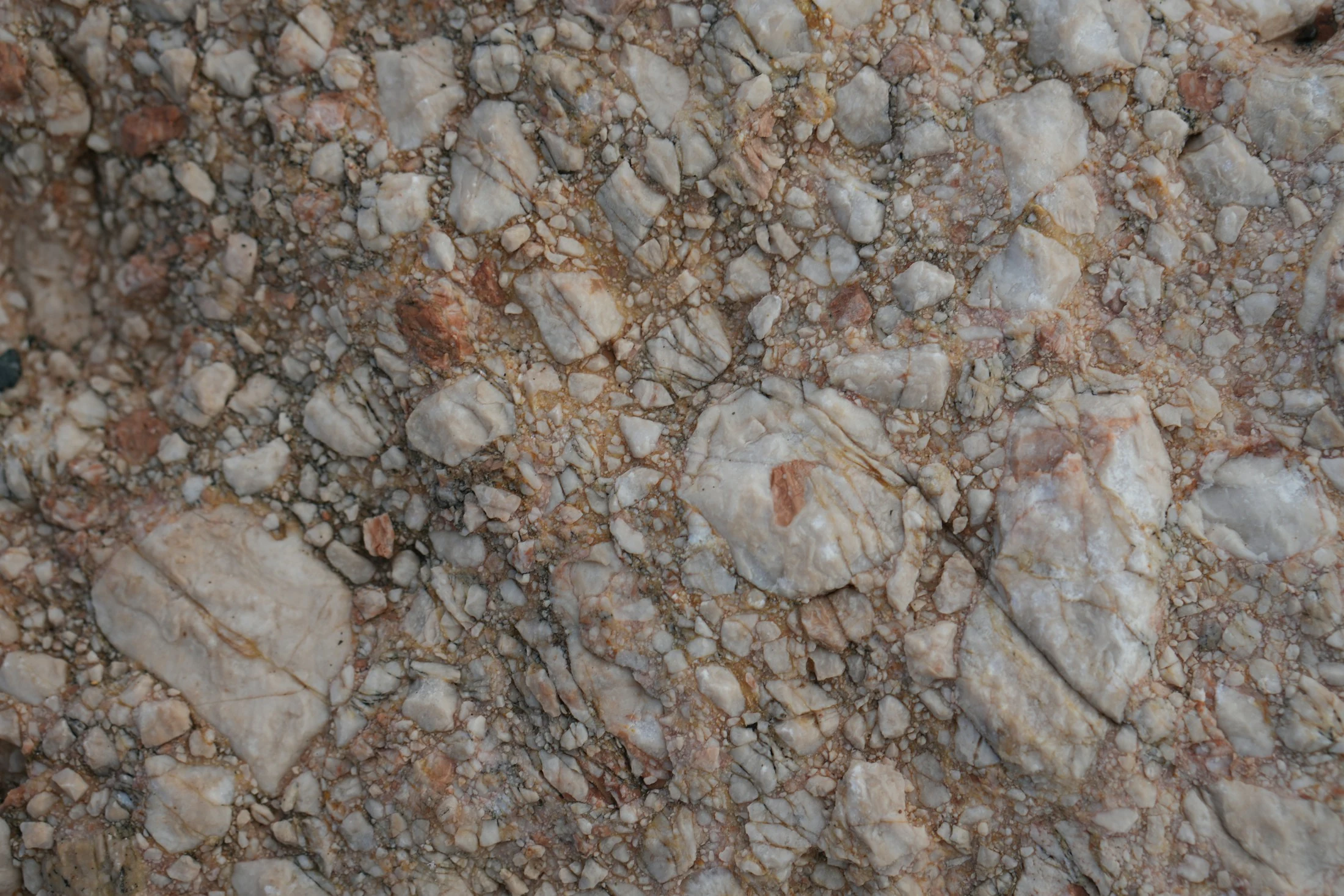
Ambiguous tender lines such as '20 mm white engineered stone, 3,500 m2' trigger non-comparable bids because resin-bonded engineered marble, cementitious inorganic terrazzo (EN 13748-1), and quartz-based slabs carry completely different UV exposure rules, adhesive classes, and raw slab yields. Every Bill of Quantities (BOQ) line must state binder chemistry, aggregate grain family (fine grain, breccia chip, Calacatta directional vein, or through-body vs. surface-printed), and application zone (interior lobby floor, hydronic heated floor, wet vanity, or stair tread).
Dimensional clarity determines cutting waste—often 12% to 28% on veined cut-to-size projects. Specifiers should choose raw slab parent format (3200 x 1600 mm, 2700 x 1800 mm, or 2400 x 1600 mm) to maximize yield for modular tiles (e.g., 600 x 600 mm or 800 x 800 mm), lock nominal thickness (15, 18, 20, or 30 mm) with EN 15285 geometric tolerances (+/- 0.5 to 1.0 mm), and flag whether bookmatched (`A/B`) vein continuity or pre-shipment dry-lay numbering is required.
Which EN 14617, Fire, Slip, and Adhesive Specs Prevent Jobsite Disputes?
Commercial hospitality, airport, and multi-family tenders require verifiable physical performance thresholds tied to surface finish rather than generic brochure claims. Architectural RFQs should specify EN 14617-1 water absorption, EN 14617-2 flexural strength, EN 13501-1 reaction-to-fire Euroclass (distinguishing mineral inorganic terrazzo from low-resin agglomerates), and wet slip resistance mapped to finish—such as DIN 51130 R9–R11 or ANSI A137.1 DCOF > 0.42 via honed, brushed, or bush-hammered textures.
Equally vital are installation boundary notes aligned with manufacturer shop manuals: resin-bonded engineered marble slabs require two-component low-alkali reactive or rapid-setting low-water adhesives (prohibiting wet traditional Portland cement mortar that warps slabs), flexible movement sealants instead of rigid marble glue in expansion joints, and indoor UV-shielded flat pallet storage prior to site fixing.
What Parameters Define an Industrial PP Packaging or Mineral Filler RFQ?
When tendering returnable PP corrugated totes, ESD partition sets, or stone transit protection pads, three numbers lock cost and performance: exact internal/external dieline dimensions (L x W x H mm), twin-wall sheet thickness paired with basis weight (mm + g/m2 GSM), and dynamic/static stacking load under ISO 12048. Adding flute direction, ultrasonic weld vs. folded lock construction, IEC 61340-2-3 resistance window, and print color count lets converters quote tooling and unit price accurately.
For upstream ground calcium carbonate or filler masterbatch RFQs, compounders should specify ISO 13320 D50 and D97 micron cutoffs, ISO 787-2 moisture ceiling, stearic-acid coating status (or carrier resin + ISO 1133 MFR for masterbatch), CIE whiteness, and packaging format (25 kg valve bags vs. 1,000–1,250 kg PE-lined jumbo FIBC bags palletized for container stuffing).
How Do Container Weight Limits, Sample Approvals, and Incoterms Lock Landed Cost?
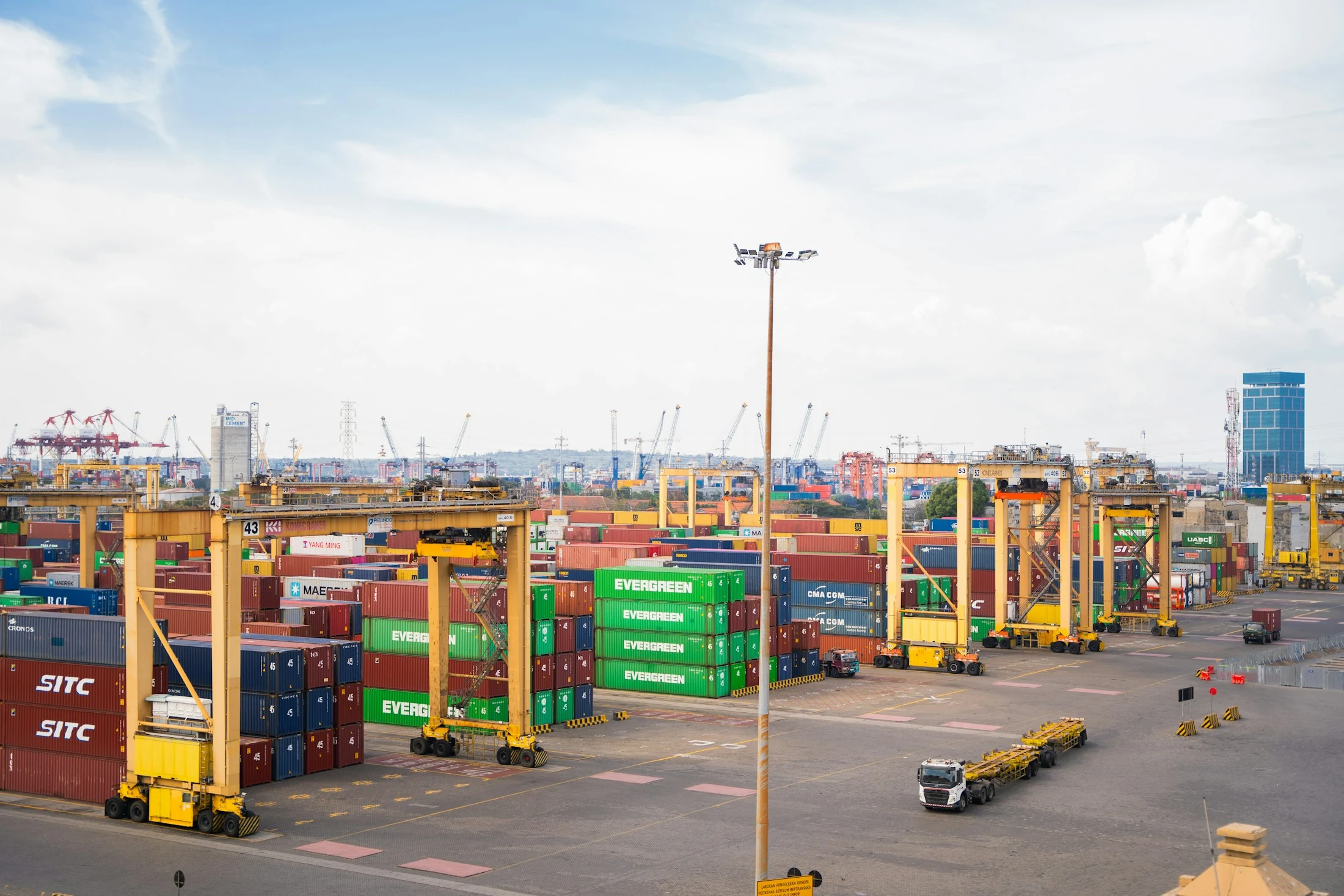
Heavy mineral powders, stone slabs, and high-fill masterbatches 'weigh out' a 20-foot container (21.5 to 27.0 metric tons payload depending on destination road axle laws—e.g., stricter US chassis weight limits vs. European port limits) long before filling cubic volume, whereas assembled or flat-packed hollow-sheet boxes 'cube out' a 40-foot High Cube (68 m3). Stating destination port road-weight limits upfront prevents last-minute bundle short-loading or overweight drayage fines.
Every B2B contract should run a two-stage gate: first, approve physical master swatches (100 x 100 mm or 300 x 300 mm stone chips showing approved shade range, or CAD-cut white-sample boxes) signed and sealed by both parties; second, bind bulk production to Incoterms 2020 (FOB loading port or CIF destination port), phased delivery schedules, ISPM 15 crate rules, and batch COA / EU DPP readiness files.
Standardized Specification & Benchmark Matrix
| Procurement Category | Core Geometry & Spec Fields | Mandatory Standards & Limits | Logistics & Approval Gate |
|---|---|---|---|
| Engineered Marble & Terrazzo Slabs | Binder type, 2700x1800 or 3200x1600 mm, 15/18/20/30 mm, finish | EN 14617 (-1,-2,-10), EN 13501-1 fire, DIN 51130 slip | Signed range swatch; 20'GP max axle payload & A-frame count |
| Cut-to-Size Project Stonework | CAD shop drawings, edge profile, mitre/cutouts, dry-lay map | EN 15285 tolerances (+/-0.5 mm), bookmatch A/B sequence | Pre-crating dry-lay photos; ISPM 15 crates + PP corner guards |
| Returnable PP Totes & ESD Dunnage | Internal LxWxH mm, mm + GSM, vertical flute, weld/handle type | ISO 12048 40C creep stack, IEC 61340-2-3 (@12% RH), PPWR | CAD sample fit-check; 40'HQ flat-pack vs. nested cube count |
| Stone Transit Pads & Edge Guards | Pad width/length, 3-10 mm + 600-2,000 g/m2, slot inner width | 72h 50C/90% RH non-staining test on white stone; virgin PP | Co-loaded inside slab container or bundled on export pallets |
| GCC Powders & Filler Masterbatch | D50/D97 (um), coating % or carrier resin + MFR, CaCO3 % | ISO 13320 (Mie), ISO 787-2 moisture, ISO 1133, REACH/RoHS | 500 g - 5 kg trial lot approval; 20'GP PE-lined FIBC jumbo bags |
Five-Step B2B RFQ Preparation Checklist for Fast, Comparable Factory Quotes
- Attach DXF/DWG or PDF shop drawings and state binder/polymer chemistry explicitly instead of using generic trade names.
- Separate sample evaluation requests (3–6 SKU swatches or 2 prototype totes with courier account/city) from full-container commercial tender pricing.
- Pair every physical dimension with its governing tolerance and test standard (EN 15285 / EN 14617 for stone; GSM + ISO 12048 / IEC 61340 for packaging).
- Declare destination port, Incoterms 2020 (FOB / CIF), and maximum legal 20'GP road-chassis payload (e.g., 19.5 t vs. 26.0 t) before container loading calculations.
- List required regulatory deliverables upfront—CNAS / ISO/IEC 17025 batch test reports, SDS, ISPM 15 marks, REACH/PPWR declarations, or EU DPP draft records.
Frequently Asked Technical Questions
Why do architectural cut-to-size stone quotes vary by 25% when CAD shop drawings are omitted?
Without panel layout drawings and vein-direction rules, estimators cannot calculate true nesting yield on 3200 x 1600 mm vs. 2700 x 1800 mm raw slabs and must add high waste contingencies for off-cuts and edge profiling.
Should importers combine stone slabs and PP hollow-sheet protective dunnage in one container?
Stone bundles quickly hit the 20'GP road-weight ceiling while leaving top and aisle void volume—co-loading lightweight flat-packed PP interlayer pads, spare corner guards, or jobsite protection sheets utilizes free cubic space at near-zero incremental ocean freight.
What is the fastest way to lock batch color consistency on multi-shipment hotel stone rollouts?
Approve and seal upper-limit and lower-limit physical reference tiles from the trial run, require raw mineral lot reservation for the full BOQ square footage, and mandate pre-shipment wet/dry CIE L*a*b* and dry-lay inspection photos.