How to Lock Master Samples and Shade Consistency in Stone?
Locking B2B stone shade consistency requires counter-signing triplicate 300 × 300 mm (or 300 × 600 mm veined) physical range samples defining target, light, and dark bounds, enforcing CIE L*a*b* colour tolerance ΔE*ab ≤ 1.0 to 1.5 within a single pressing lot (ISO 11664-4 under D65 and 3,000 K lighting), and segregating crates by building elevation so separate batches never meet on one floor.
Why Do 100×100mm Pocket Swatches Fail as Contractual Master Samples?
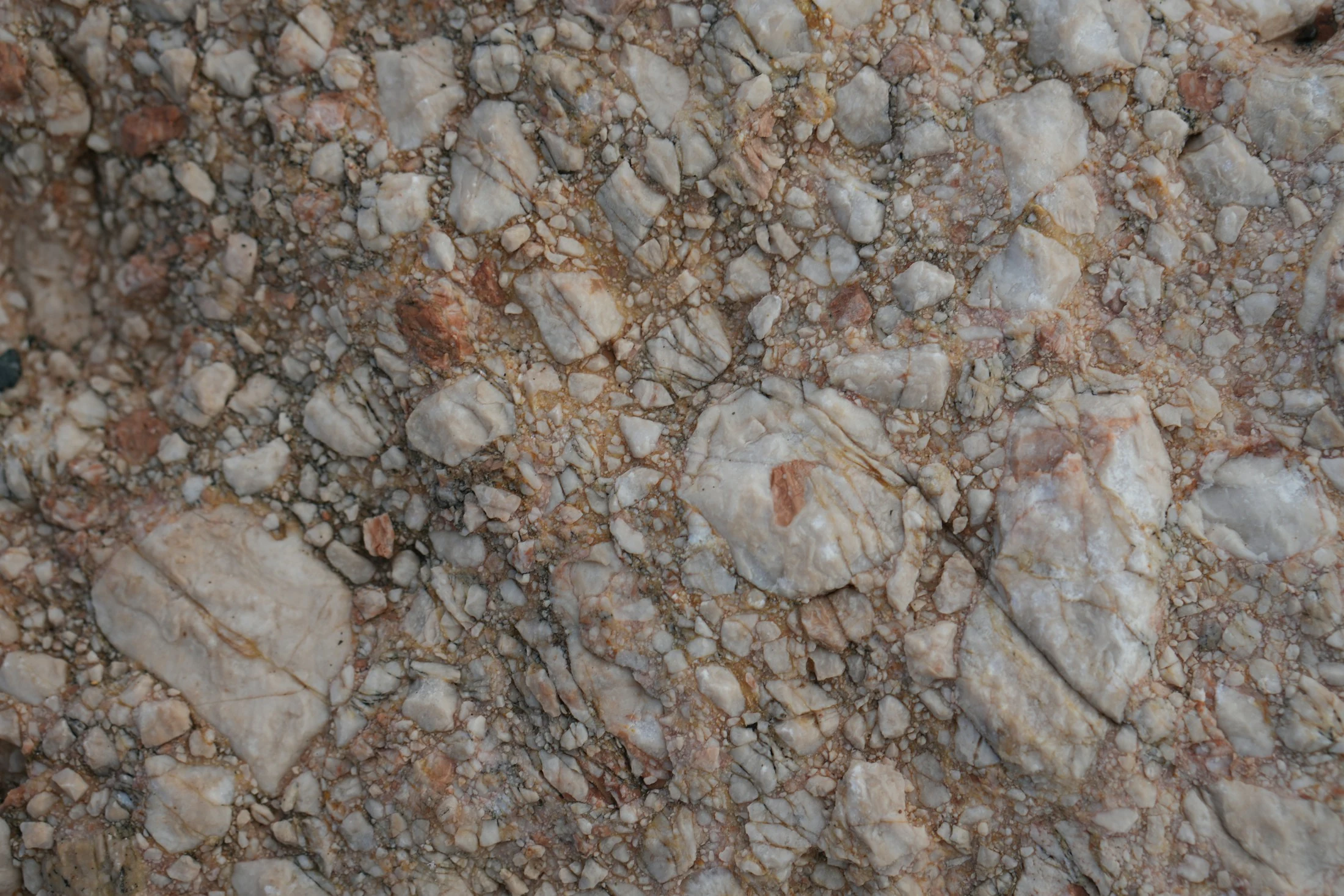
Small 100 × 100 mm marketing chips capture less than 0.2% of a 4.86 m² stone slab, routinely missing secondary grey vein bands, 25 mm coarse marble chippings, or subtle background tone modulation. Approving commercial orders off pocket chips leaves architects and suppliers without an objective reference when full-size crates open on site.
Enforceable procurement contracts establish a three-set Master Control Sample Box prior to mass pressing: Set A stays in the architect's sample library, Set B mounts at the factory polishing-line exit, and Set C accompanies the third-party pre-shipment inspector. Fine-grain and terrazzo stones require ≥ 300 × 300 mm physical plates showing target, upper-shade, and lower-shade bounds, while landscape-veined stones pair 300 × 600 mm physical pieces with signed full-slab 3,000-pixel digital reference layouts.
How Do ISO 11664-4 CIE L*a*b* Delta-E Limits and Metamerism Checks Work?
Visual colour disputes disappear when contracts pair signed range tiles with portable sphere-spectrophotometer readings in CIE 1976 L*a*b* colour space (ISO 11664-4, 8 mm or 25 mm aperture, specular component included). Within a single continuous pressing campaign on solid or fine-grain engineered marble, background matrix total colour difference ΔE*ab against the master tile should stay ≤ 1.0 to 1.5 (and ≤ 1.5 to 2.0 across phased replenishment lots), alongside 60-degree specular gloss within ±5 GU (ASTM D523 / GB/T 13891).
For coarse-aggregate terrazzo or multi-veined slabs, small-aperture readings must target the background binder matrix rather than straddling random chippings. Equally critical is dual-illuminant metamerism screening: titanium dioxide, iron oxide, and organic pigment blends that match under 6,500 K (D65) factory skylights can shift noticeably green or pink under 2,700–3,000 K hospitality LED downlights, so sample boxes must be viewed under both colour temperatures.
Which Raw Mineral and Pressing Variables Drive Lot-to-Lot Shade Drift?
Even automated vacuum vibro-compression lines exhibit measurable shade drift if multi-container orders are split across separate monthly runs using different mineral filler shipments. Calcium carbonate powder whiteness (L* lightness value and b* yellowness index), particle-size distribution (D50 and D97 cutoffs), unsaturated polyester styrene batch tint, and exothermic curing temperature gradients directly shift cured background warmth.
For commercial rollouts exceeding 1,000 m², buyers should instruct the manufacturing plant to reserve homogenized calcium carbonate silo lots and single-batch pigment pastes to press the entire project volume in one uninterrupted production campaign. Where phased tower construction forces split production dates, retain 2 to 3 unpolished master slabs from Lot 1 at the factory so Lot 2 wet paste is colour-matched before vacuum pressing begins.
How Should Batch Segregation and ISO 2859-1 Pre-Shipment Inspection Be Structured?
Minor ΔE*ab shifts of 1.3 to 1.8 are imperceptible between Floor 5 and Floor 12 of a hotel tower, yet immediately visible if two production lots sit side-by-side across an open ground-floor lobby threshold. Every slab bundle and cut-to-size wooden crate must carry a mandatory Pressing Lot and Block Number alongside SKU code, with contract clauses prohibiting mixed lots within any continuous room, corridor, or facade bay.
Before balance payment and container stuffing, conduct pre-shipment inspection per ISO 2859-1 General Inspection Level II (typically AQL 1.0 for critical shade or crack defects and AQL 2.5 for minor dimensional tolerances: calibrated thickness ±0.5 mm, flatness ≤ 0.5 mm/m, squareness ≤ 0.3 mm/m), verifying stone moisture content has fully equilibrated to dry room conditions prior to reading colour.
Standardized Specification & Benchmark Matrix
| Quality Control Metric | Target Acceptance Tolerance | Measurement Method / Standard | Operational Control Rule |
|---|---|---|---|
| Master Sample Size | ≥ 300×300 mm (veined: 300×600 + slab photo) | Triplicate tamper-sealed sets (A/B/C) | Include light/dark boundary plates for aggregate stones |
| Intra-Lot Shade (ΔE*ab) | ΔE*ab ≤ 1.0 – 1.5 (matrix background) | ISO 11664-4 (D65 / 10° sphere) | Take 5-point average on clean, dry surface |
| Cross-Lot Replenishment | ΔE*ab ≤ 1.5 – 2.0 + 3000K LED check | D65 & 3000K dual-light booth | Segregate lots strictly by separate building floors |
| Specular Gloss (60°) | Target ± 5 GU (e.g., 80 ± 5 GU) | ASTM D523 / GB/T 13891 glossmeter | Consistent grit calibration across polishing heads |
| Calibrated Tile Geometry | Thickness ±0.5 mm; flatness ≤ 0.5 mm/m | EN 14617-16 / ISO 2859-1 AQL | Reject warped or tapered tiles before crating |
Stone Master Sample & Batch Shade Control Procurement Checklist
- Replace 100 × 100 mm promotional chips with counter-signed triplicate 300 × 300 mm (or 300 × 600 mm) physical range samples before releasing production deposits.
- Evaluate master samples inside a dual-illuminant light booth under both 6,500 K (D65 daylight) and the project's exact 2,700–3,000 K architectural LED fixture.
- Lock single-campaign raw calcium carbonate filler, aggregate grit, and pigment masterbatch lots for single-phase projects, or archive physical Lot 1 slabs for phased matching.
- Record 5-point CIE L*a*b* readings, 60-degree gloss (GU), and calibrated thickness (±0.5 mm) per block lot during ISO 2859-1 pre-shipment inspection.
- Enforce lot-segregated crating and pallet manifests so installation crews assign one single block/pressing batch per continuous floor or room.
Frequently Asked Technical Questions
Why can damp stone tiles fail ΔE colour checks right off the bridge saw?
Residual cutting moisture darkens stone L* lightness by 1.5 to 4.0 units even at low porosity; tiles must be wiped clean and air-dried to ambient equilibrium before comparing against dry master samples.
How should ΔE*ab be measured on coarse-aggregate terrazzo where chippings are 15 to 25 mm wide?
Spot-measure the continuous cement or resin background matrix between large chips using an 8 mm aperture, and assess overall aggregate distribution visually from 1.5 meters under D65 light against upper/lower range boards.
What happens if a project needs a 150 m² reorder 10 months after initial delivery?
Because quarry mineral batches and resin lots evolve over 10 months, assign reorder tiles to self-contained rooms or separate floors, and supply the factory with its archived Set B master tile to tune pigment paste before pressing.